

The Colton Consortium for Autoimmunity — now spanning five research centers across two continents — convened in New York City July 28–30 for its 2026 Symposium, uniting investigators from across the network to present emerging findings, forge new collaborations, and chart the collective direction of autoimmunity research for the year ahead.
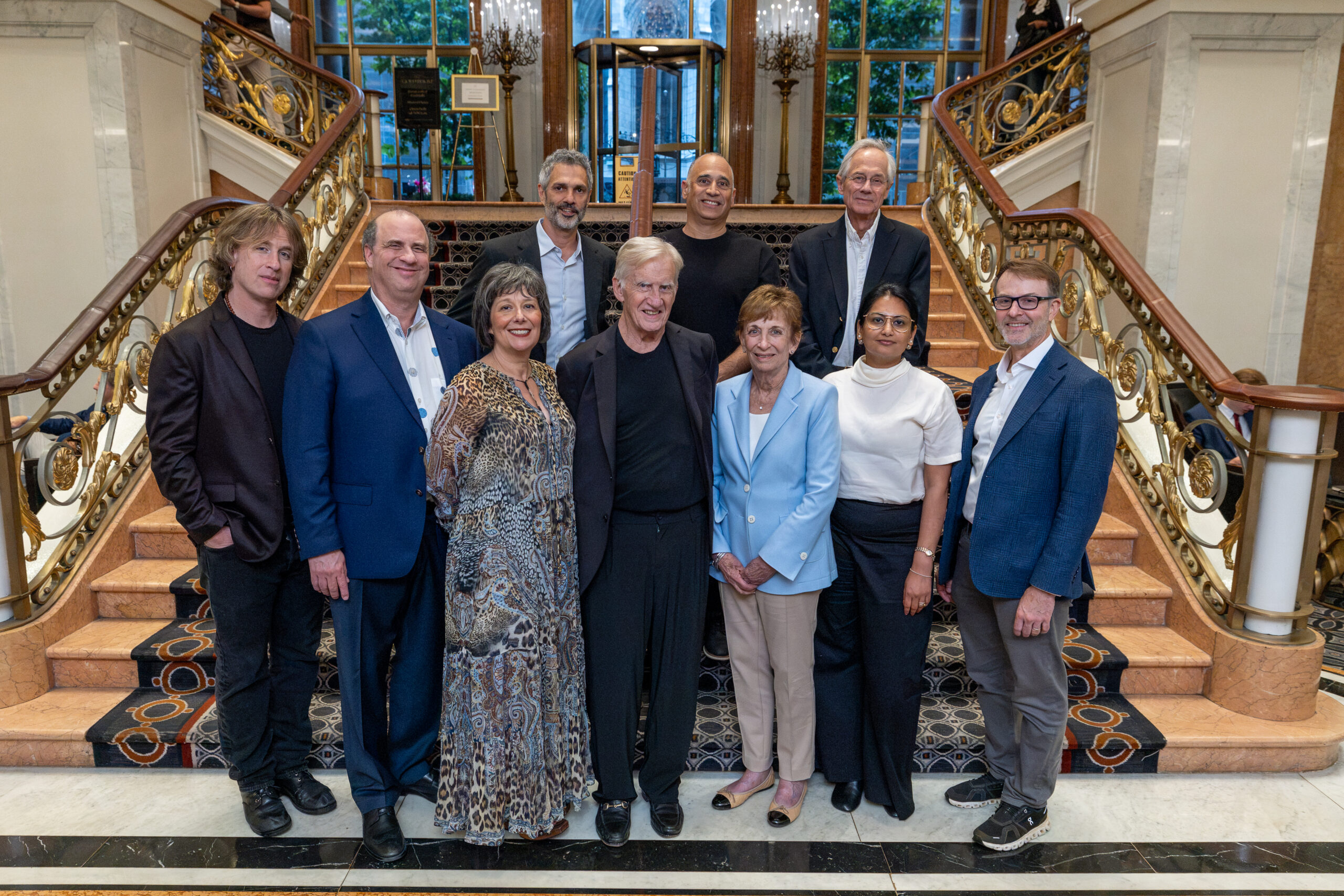 Colton Center Directors along with the Colton family in New York City for the 2026 Colton Consortium Symposium. Bottom row, left to right: Michael Colton, Harold Colton-Max, Nomi Colton-Max, Stewart Colton, Judith Colton, Shruti Naik, E. John Wherry; Top row, left to right: Jose Scher, Uri Nevo, Joseph Craft. (Photo/Daniel Burke)
Setting the Stage
The symposium convened against a backdrop of substantial growth for the Consortium over the preceding year. The network formally welcomed a fifth Colton Center for Autoimmunity at the Icahn School of Medicine at Mount Sinai, established through a $5 million gift from the Colton Foundation and housed within the Precision Immunology Institute (PrIISM) under the leadership of Shruti Naik, PhD (Director) and Miriam Merad, MD, PhD (Co-Director). This followed a separate three-year, $15 million investment from the Colton Foundation, directed toward faculty recruitment, cross-center collaboration, and the infrastructure required to operate as a unified research network. The Consortium also advanced its public and digital presence over the same period, launching a rebranded website at coltonconsortium.org to present its investigators, programs, and impact to the broader research and philanthropic community, alongside an expanding portfolio of conference sponsorships.
The symposium opened with updates from each of the founding centers of the Consortium—New York University, Yale University, Tel Aviv University, and the University of Pennsylvania—offering a comprehensive assessment of the network’s research progress. The keynote, “A Systems View of Immune Dysregulation in Lupus,” delivered by Virginia Pascual, MD, the Gale and Ira Drukier Director of Children’s Health Research and Ronay Menschel Professor of Pediatrics at Weill Cornell Medicine, established a framing that recurred throughout the symposium: the understanding of autoimmune disease not as a single mechanism, but as an interconnected system requiring integrated analysis.
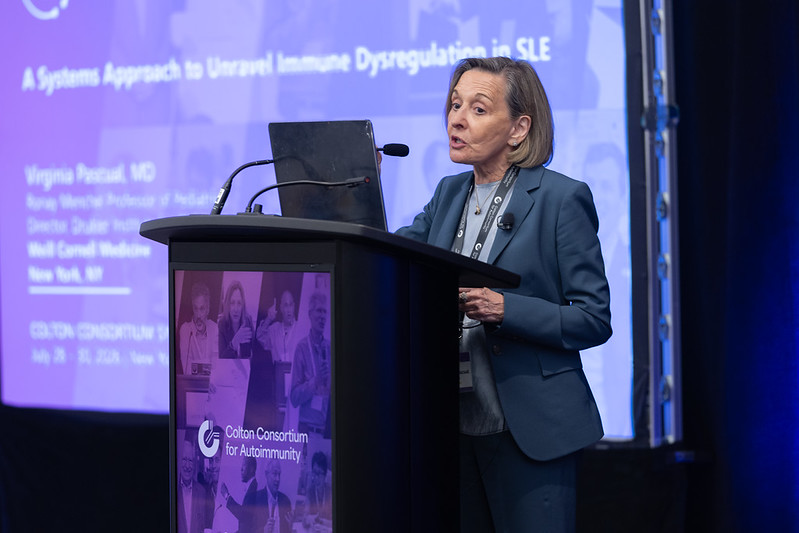 Virginia Pascual, MD presents a keynote address on her research program on immune dysregulation in lupus at the 2026 Colton Consortium Symposium. (Photo/Daniel Burke)
The evening’s networking sessions offered a more informal counterpart, giving researchers structured time for brief, one-on-one conversations across centers and disciplines, designed to foster connections and future collaborations.
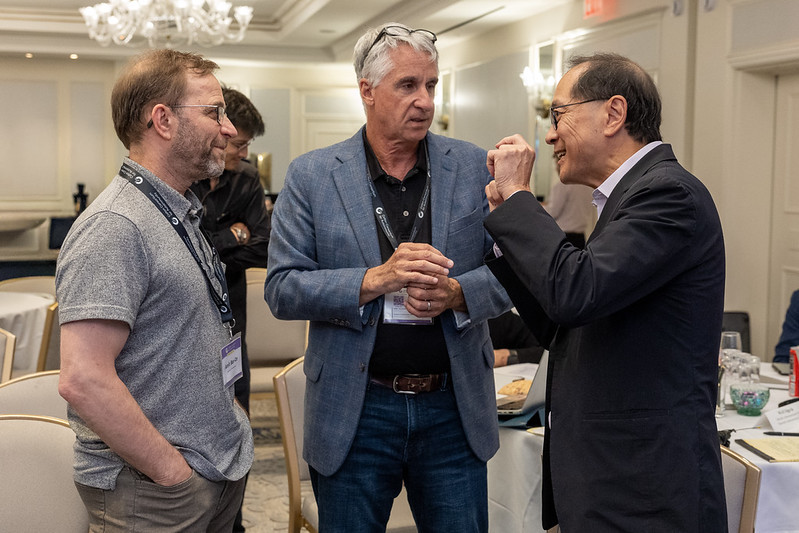 From left to right: Amit Bar-Or, MD, David Porter, MD, and Andrew Chan, MD, PhD discussing advances in therapeutic development for autoimmunity. (Photo/Daniel Burke)
Showcasing Excellence
The symposium’s second day carried the greatest concentration of scientific content. FY25 pilot awardees presented mini-keynotes spanning a range of research areas, including the role of Epstein-Barr virus in multiple sclerosis, enzyme therapeutics derived from rare disease research, novel microbial short-chain fatty acid conjugates with systemic immune activity, and in vivo generation of anti-CD19 CAR-T cells for the treatment of lupus in mouse models. The FY26 cohort followed with flash talks presenting preliminary findings and scientific goals for their newly awarded projects.
The day’s central event was the formal welcome of Mount Sinai as the Consortium’s fifth center. Shruti Naik, Director of the Mount Sinai Colton Center, presented the center’s scientific focus and its alignment with the network’s existing research priorities, with accompanying talks on live microbial therapeutics and translational methodology grounding the announcement in substantive scientific context.
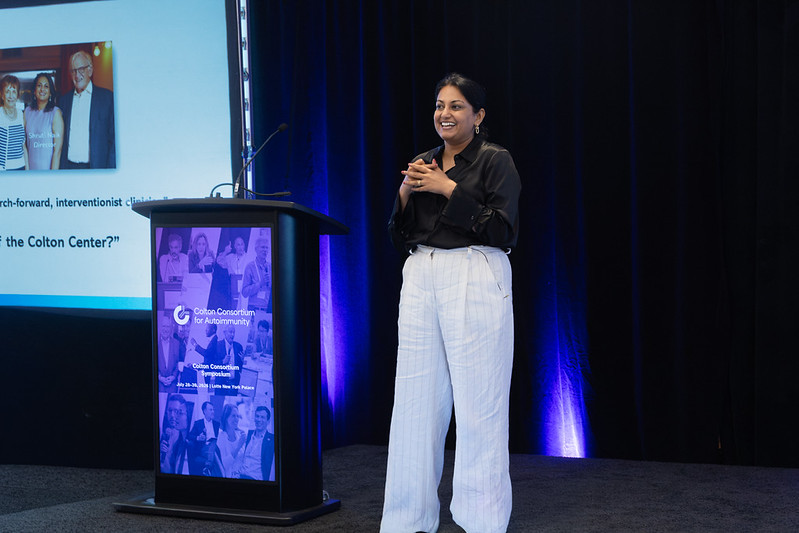 Shruti Naik, PhD, showcasing Mount Sinai’s scientific focus and research capabilities of the newly formed fifth Colton Center for Autoimmunity. (Photo/Daniel Burke)
The afternoon session addressed private-sector engagement, featuring a panel discussion with Luke Evnin, PhD (Vie Ventures), Andrea van Elsas, PhD (Third Rock Ventures), and Emily Roberts, PhD (Flagship Pioneering) and moderated by Joseph Craft, MD, Director of the Yale Colton Center, on the commercial landscape in autoimmunity followed by pitch presentations from Consortium members on advanced research programs, including nuclear-penetrating antibody therapeutics and AI-based pathology analysis. These sessions reflect the Consortium’s continued emphasis on translational application as a complement to discovery research.
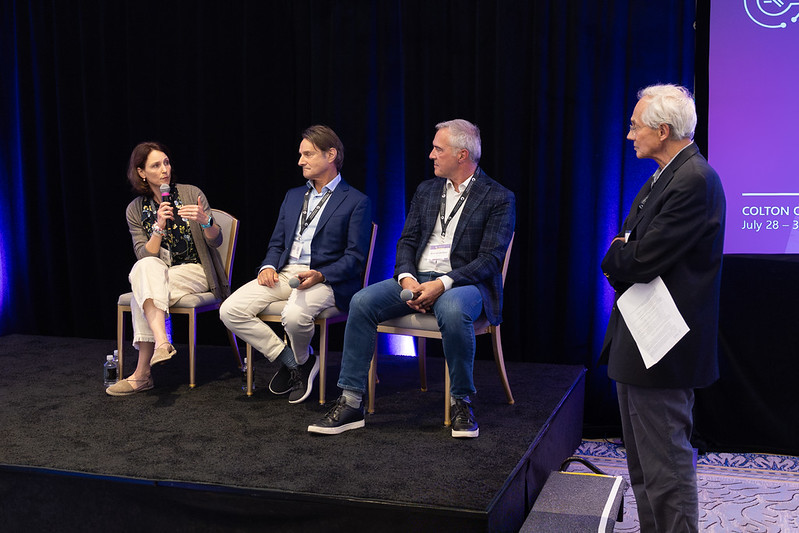 Emily Roberts, PhD (far left) providing an overview of the market landscape for autoimmune R&D, along with fellow panelists Luke Evnin, PhD, (middle left), Andrea van Elsas, PhD, (middle right), and moderator Joseph Craft, MD (far right). (Photo/Daniel Burke)
Forward Momentum
The symposium’s final day opened with a keynote from Andrew Chan, MD, PhD, Senior Vice President of Research-Biology at Genentech, Inc (GNE), tracing the development of B-cell therapies from rituximab toward the prospect of curative treatment, offering a counterpoint to the systems-level framing established in the opening keynote. The announcement of the Cross-Consortium RFA winners provided attendees with an exciting look at newly funded collaborative projects, while a subsequent session addressed computational and AI-based approaches across immune health data infrastructure, disease prediction modeling, and protein folding analysis.
The symposium concluded with remarks from E. John Wherry, PhD, Director of the Colton Consortium, on the Consortium’s outlook toward 2027, preceded by a session dedicated to community-building across the network. This session underscored a recurring institutional priority: that a Consortium spanning five institutions and two continents requires deliberate, ongoing effort to function as a unified entity rather than a set of independently operating centers.
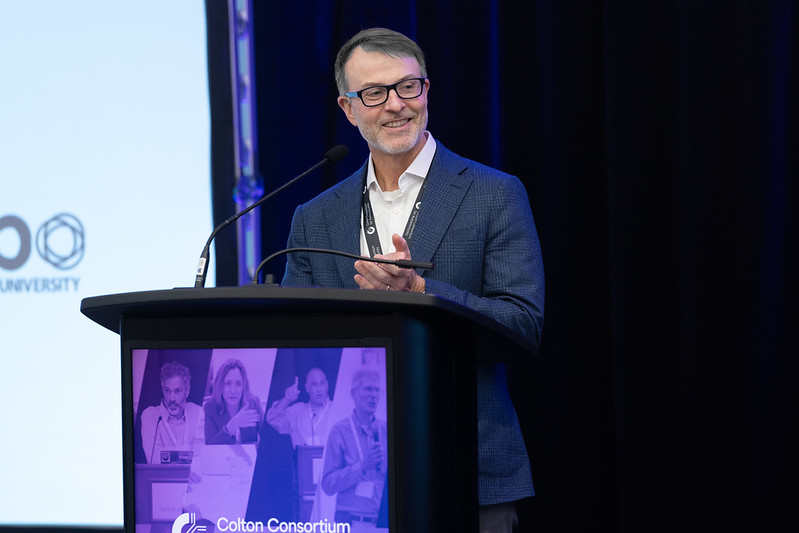 Colton Consortium Director, E. John Wherry, PhD, emphasizing that advancing autoimmune research will require scientific rigor, meaningful collaboration, and a shared commitment to improving patients’ lives. (Photo/Daniel Burke)
Looking Ahead
The addition of Mount Sinai represents a significant expansion of the Consortium’s scope. Considered alongside the symposium’s broader proceedings — center updates, pilot research, industry engagement, and community-building initiatives — this expansion reflects the Consortium’s founding principle: that autoimmune disease research advances most effectively without disciplinary or institutional silos, and that depth of inquiry, rather than diffusion of effort, is what will yield meaningful therapeutic progress.
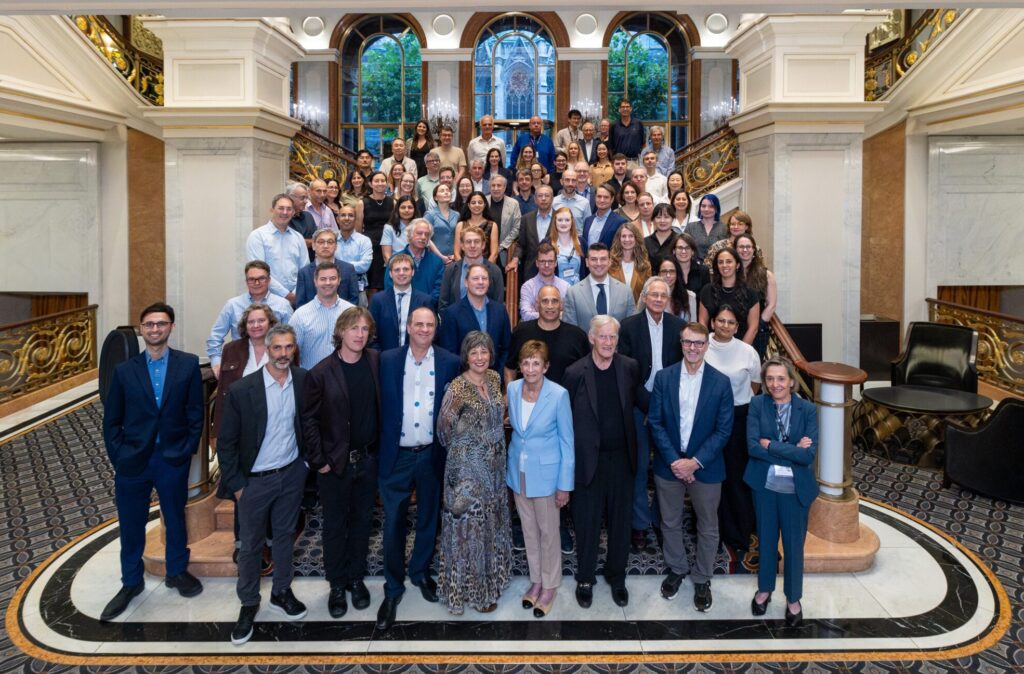
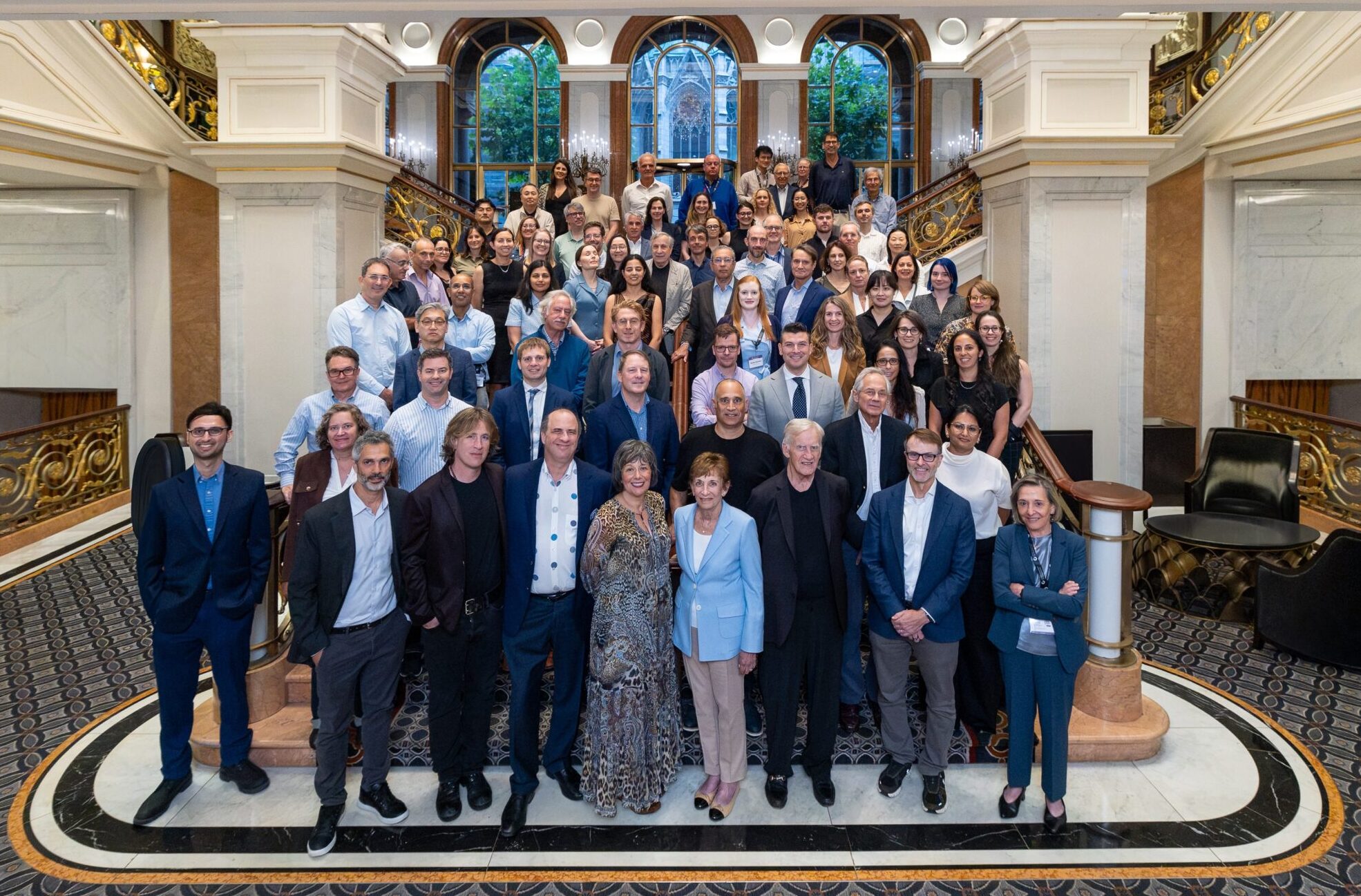 Researchers, clinicians, and partners from across the globe gathered in New York City for the 2026 Colton Consortium Symposium—four days of collaboration, discovery, and advancing precision immunology. (Photo/Daniel Burke)
Featured Experts
Amit Bar-Or, MD, FRCP, FAAN, FANA
Colton Consortium Member
Melissa and Paul Anderson President's Distinguished Professor, Department of Neurology, Perelman School of Medicine, University of Pennsylvania
David B. Beck, MD, PhD
Associate Director, Judith & Stewart Colton Center for Autoimmunity (NYU)
Department of Medicine (Rheumatology), NYU Grossman School of Medicine / NYU Langone Health, New York University
Edward Behrens, MD
Colton Consortium Member
Joseph Hollander Chair in Pediatric Rheumatology, Children's Hospital of Philadelphia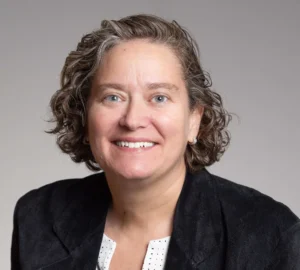
Sara Cherry, PhD
Colton Consortium Member
John W. Eckman Professor of Medical Science, Department of Pathology and Laboratory Medicine, Perelman School of Medicine, University of Pennsylvania
David Fajgenbaum, MD, MBA, MSc, FCPP
Colton Consortium Member
Associate Professor, Department of Medicine (Translational Medicine and Human Genetics), Perelman School of Medicine, University of Pennsylvania
David A. Hafler, MD, FANA, MSc
Colton Consortium Member
William S. and Lois Stiles Edgerly Professor of Neurology, Department of Neurology, Yale School of Medicine, Yale University
Carrie Lucas, PhD
Associate Director, Colton Center for Autoimmunity (Yale University)
Department of Immunobiology, Yale School of Medicine, Yale University
Peter Merkel, MD, MPH
Colton Consortium Member
Professor of Medicine and Epidemiology, Department of Medicine, Perelman School of Medicine, University of Pennsylvania
Jonathan Miner, MD, PhD
Colton Consortium Member
Associate Professor, Department of Medicine (Rheumatology), Perelman School of Medicine, University of Pennsylvania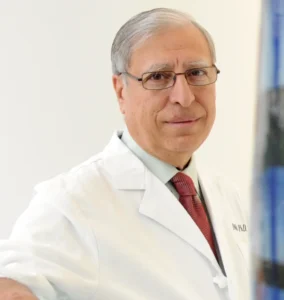
Ali Naji, MD, PhD
Colton Consortium Member
Jonathan E. Rhoads Professor of Surgical Science II, Department of Surgery, Perelman School of Medicine, University of Pennsylvania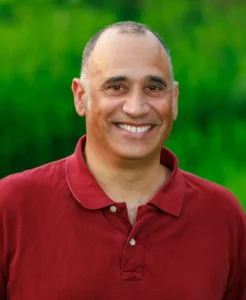
Uri Nevo, PhD
Director, Colton Center for Autoimmunity (Tel Aviv University)
School of Biomedical Engineering, Tel Aviv University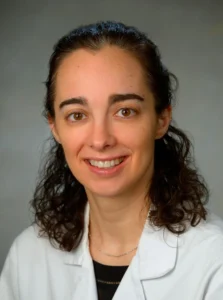
Alexis Ogdie, MD, MSCE
Colton Consortium Member
Professor, Department of Medicine (Rheumatology), Perelman School of Medicine, University of Pennsylvania
David Porter, MD
Colton Consortium Member
Jodi Fisher Horowitz Professor in Leukemia Care Excellence, Department of Medicine, Perelman School of Medicine, University of Pennsylvania
James L. Riley, PhD
Colton Consortium Member
Professor, Department of Microbiology, Perelman School of Medicine, University of Pennsylvania
Jose Scher, MD
Director, Judith & Stewart Colton Center for Autoimmunity (NYU)
Department of Medicine (Rheumatology), NYU Grossman School of Medicine / NYU Langone Health, New York University
E. John Wherry, PhD
Director, Colton Consortium for Autoimmunity & Colton Center for Autoimmunity (University of Pennsylvania)
Department of Systems Pharmacology and Translational Therapeutics, Perelman School of Medicine, University of PennsylvaniaFeatured Projects

The Role and Mechanism of Aberrant Dendritic Cell Function in Autoimmunity
Identifying a novel molecular regulator of tolerogenic dendritic cell function, this project uncovers how its loss triggers spontaneous multiorgan autoimmunity and exacerbates lupus — revealing a clinically relevant pathway in immune tolerance.

Utilizing RNA Replicons as Immune Modulators for Systemic Lupus Erythematosus
A self-replicating RNA platform delivers anti-inflammatory cytokines directly to the airways, offering targeted local immune suppression without systemic toxicity — a mechanistically distinct approach to treating lupus lung disease.
Related News
A Growing Network Takes Stock: Highlights from the 2026 Colton Consortium Symposium
Global leaders in autoimmune research gathered for the 2025 Colton Consortium Symposium last month, sharing breakthroughs from foundational science to translational therapies and forging collaborations to improve patient lives worldwide.

Colton Consortium Sponsors 2025 FASEB Autoimmunity Conference
The Colton Consortium sponsored the 2025 FASEB Autoimmunity Conference in Niagara Falls, a leading international forum dedicated to advancing autoimmune research and fostering collaboration among scientists and clinicians worldwide.

Inside the 2025 Colton Consortium Symposium: Driving Translational Research in Autoimmune Disease
Global leaders in autoimmune research gathered for the 2025 Colton Consortium Symposium last month, sharing breakthroughs from foundational science to translational therapies and forging collaborations to improve patient lives worldwide.