

Penn's 2026 Colton Center Autoimmunity Symposium brought together 130 researchers to showcase advances in CAR T cell therapy, AI-driven diagnostics, RNA therapeutics, and novel drug targets across lupus, MS, and type 1 diabetes.
7 minutes
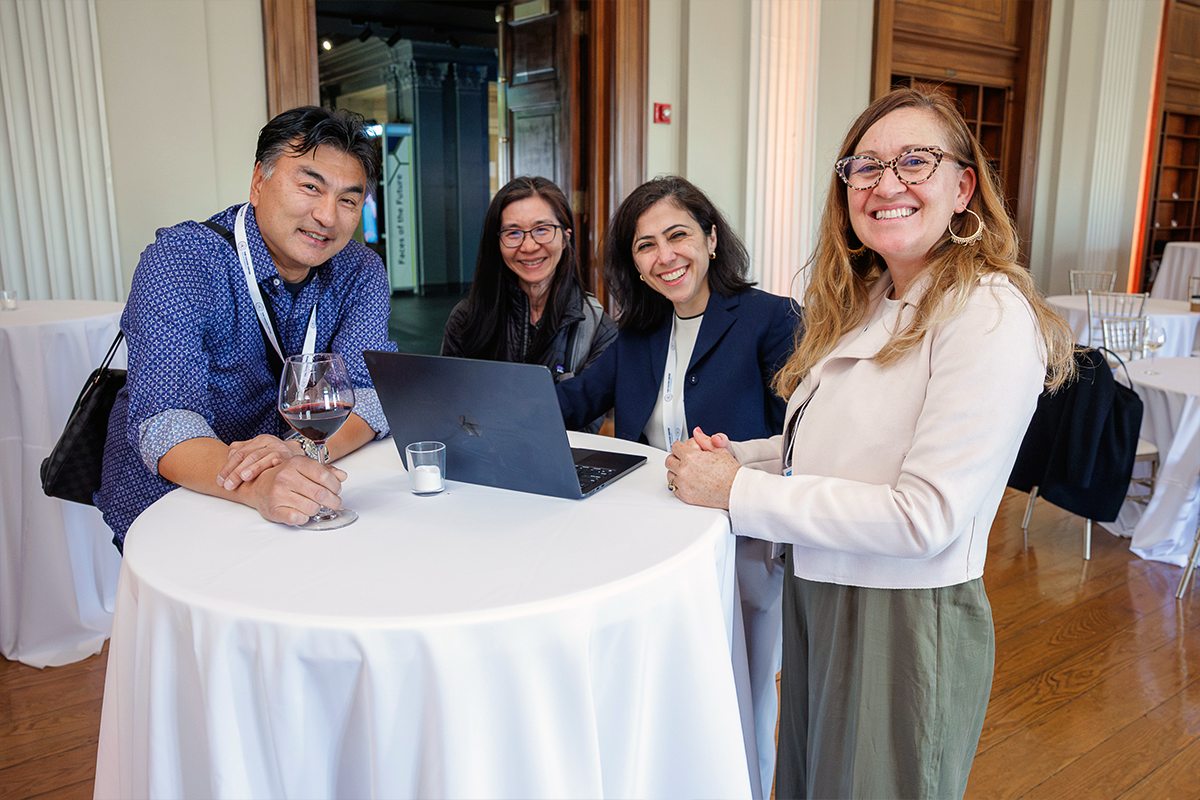
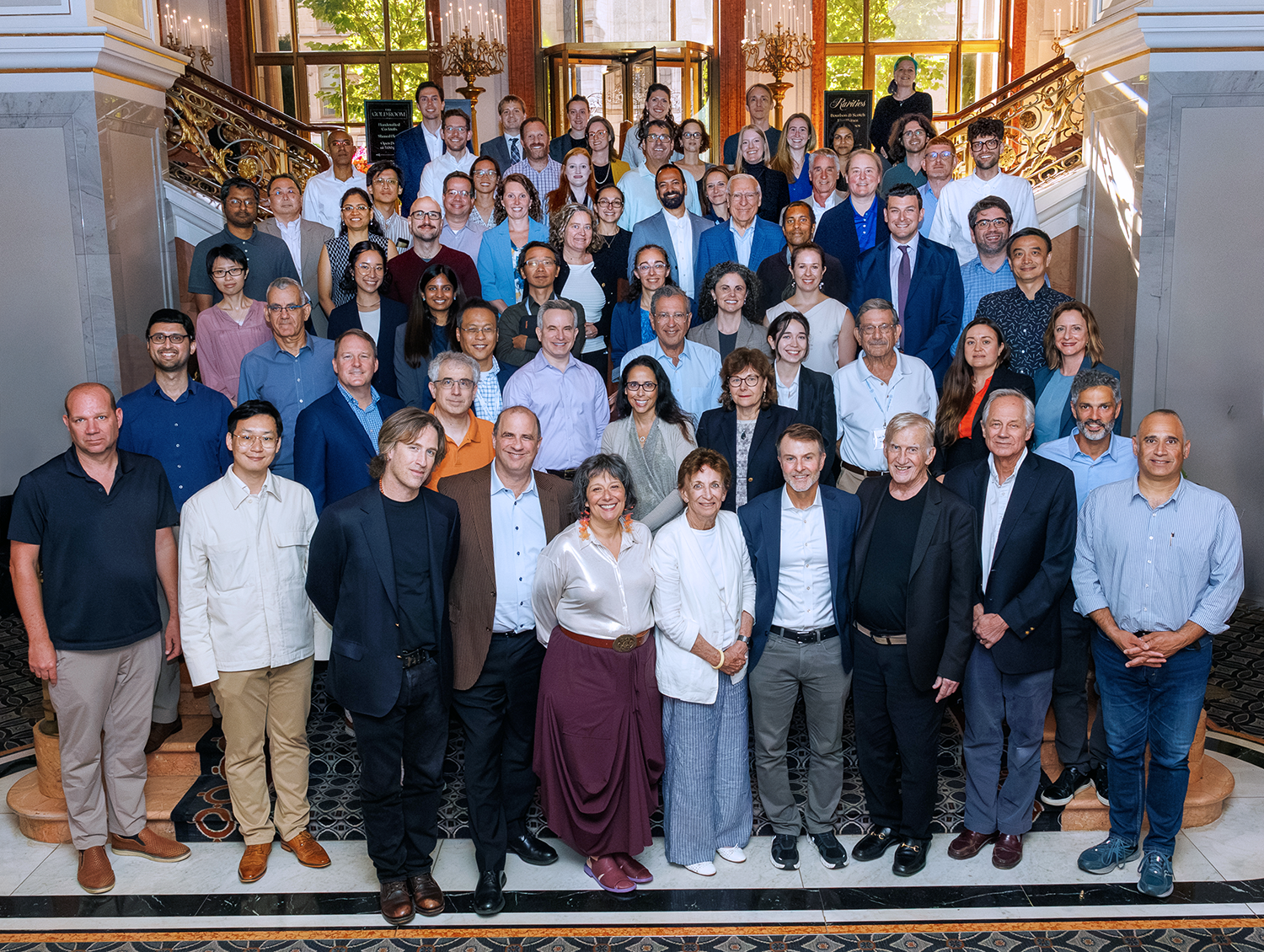
Last month, approximately 130 members of the Penn immunology community gathered at the Franklin Institute for the Penn Colton Center for Autoimmunity annual symposium—a day set aside to push the boundaries of discovery, forge new collaborations, and accelerate progress in the understanding and treating of autoimmune disease. Among those in attendance were donors Stewart and Judy Colton and Nomi Colton-Max, whose sustained generosity continues to make the Center’s mission possible—including the Colton Consortium for Autoimmunity, which unites researchers at the University of Pennsylvania, NYU, Yale, and Tel Aviv University in a shared pursuit of discovery.
E. John Wherry, PhD—Director of the Penn Colton Center for Autoimmunity and the Richard and Barbara Schiffrin President's Distinguished Professor—opened the proceedings with a sweeping overview of the Center's growth and momentum. Since its founding, he noted, the Center has funded 18 pilot awards totaling approximately $3 million across novel therapeutics, disease mechanisms, diagnostics, and AI-driven informatics. He highlighted the Center's new home at 3600 Civic Center Boulevard—eight floors dedicated to immunology, housing more than 20 investigator labs, immune health operations, high-throughput screening facilities, and a soon-to-be-completed auditorium—and pointed to an expanding community calendar, including the monthly Colton Consortium Virtual Seminar series and an upcoming Consortium Symposium in New York this July. It was a lot of ground to cover, but it set an energetic tone for what would prove to be a full and varied day of science, strategy, and conversation.

The scientific program opened with four back-to-back presentations covering a wide range of diseases and approaches. Michela Locci, PhD, Associate Professor of Microbiology, shared new findings on Activin A—a cytokine emerging as a potential therapeutic target in rheumatoid arthritis. Taku Kambayashi, MD, PhD, Professor of Pathology and Laboratory Medicine, presented a novel skin-based strategy for addressing lupus nephritis, demonstrating how the immune system’s interactions with skin cells might be harnessed therapeutically. Mohammad Haj Dezfulian, PhD, Assistant Professor of Pathology and Laboratory Medicine, offered a detailed map of immune targets in Sjögren’s disease, using a high-throughput screening platform to chart T cell activity across the condition. Closing the session, Eline Luning Prak, MD, PhD, Professor of Pathology and Laboratory Medicine, and Zhi Huang, PhD, Assistant Professor of Pathology and Laboratory Medicine, presented work combining AI and antibody profiling to improve interpretation of the anti-nuclear antibody (ANA) test—a widely used but imperfect diagnostic tool whose refinement could meaningfully advance earlier and more accurate autoimmune diagnosis.
The morning’s centerpiece was a wide-ranging panel on the state of immune health research at Penn and across the Colton Consortium. Wherry opened by reiterating the Center’s momentum and the opportunities taking shape. Dokyoon Kim, PhD, Associate Professor of Informatics, followed with a look at how AI-driven analysis of large, multimodal biological datasets—integrating protein measurements, imaging, and health records—is beginning to unlock genuinely personalized approaches to medicine. Matthew Lee, a PhD candidate in Computational Immunology, introduced MAESTRO, a computational platform designed to integrate and interpret diverse immunological data at scale. Amit Bar-Or, MD, FRCP, FAAN, FANA, the Melissa and Paul Anderson President’s Distinguished Professor and Chief of the Division of Multiple Sclerosis, brought a longer historical lens, drawing on decades at the forefront of MS research to illuminate how far the field has progressed—and how much remains to be understood. Leonardo Guercio, PhD, Director of Strategy and Business Development, brought the panel to a forward-looking close with an overview of the Colton Immune Profiling Initiative (CIPI): an ambitious effort to profile thousands of autoimmune patients and identify the distinct biological signatures—what the team calls “autoimmune fingerprints”—that could one day transform how these diseases are diagnosed and treated.
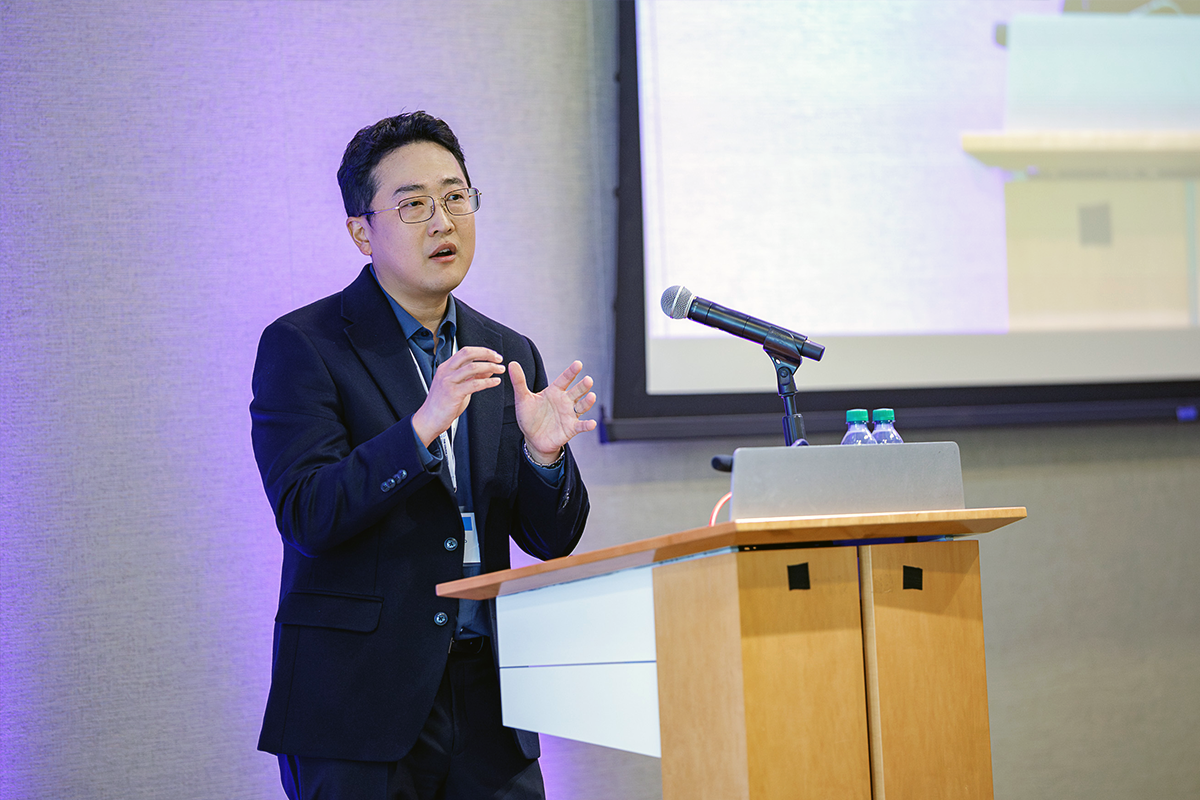
After lunch, Jonathan Miner, MD, PhD, Associate Professor of Medicine (Rheumatology), delivered the New Initiative Lecture with a novel approach to treating a rare class of inherited autoimmune diseases. His team has developed a new category of drug—known as a PROTAC—that works by selectively reducing levels of a disease-causing protein called TREX1, without eliminating it entirely. The insight is counterintuitive: rather than blocking what the protein does, the therapy targets how much of it is present. In animal models, even a modest reduction in TREX1 levels was enough to prevent fatal outcomes—a compelling proof of concept for diseases that currently have very few treatment options.
A lively flash talk session followed, with four rapid-fire presentations showcasing work at the frontiers of the field. Troy Messick, PhD, Research Associate Professor at The Wistar Institute, and Samantha Soldan, PhD, Senior Staff Scientist at The Wistar Institute, presented evidence that Epstein-Barr virus—long suspected as a trigger for multiple sclerosis—may play an active, ongoing role in driving disease activity, and shared progress on a small-molecule drug targeting a key viral protein. Jia Nong, PhD, Research Associate of Systems Pharmacology and Translational Therapeutics, described her collaborative work with Jacob Brenner, MD, PhD, on a new lipid nanoparticle delivery platform capable of shuttling gene-editing tools directly into immune cells—a technically demanding feat with broad implications for cell-based therapies. Sarah Henrickson, MD, PhD, Assistant Professor of Pediatrics (Allergy and Immunology), outlined an AI-assisted approach to identifying treatments for rare inflammatory diseases, combining computational drug screening with deep clinical expertise. Laura Su, MD, PhD, Associate Professor of Medicine (Rheumatology), rounded out the session with work identifying new subsets of immune cells that appear to drive the production of self-attacking antibodies—a finding with potential relevance across multiple autoimmune conditions, including rheumatoid arthritis and type 1 diabetes.
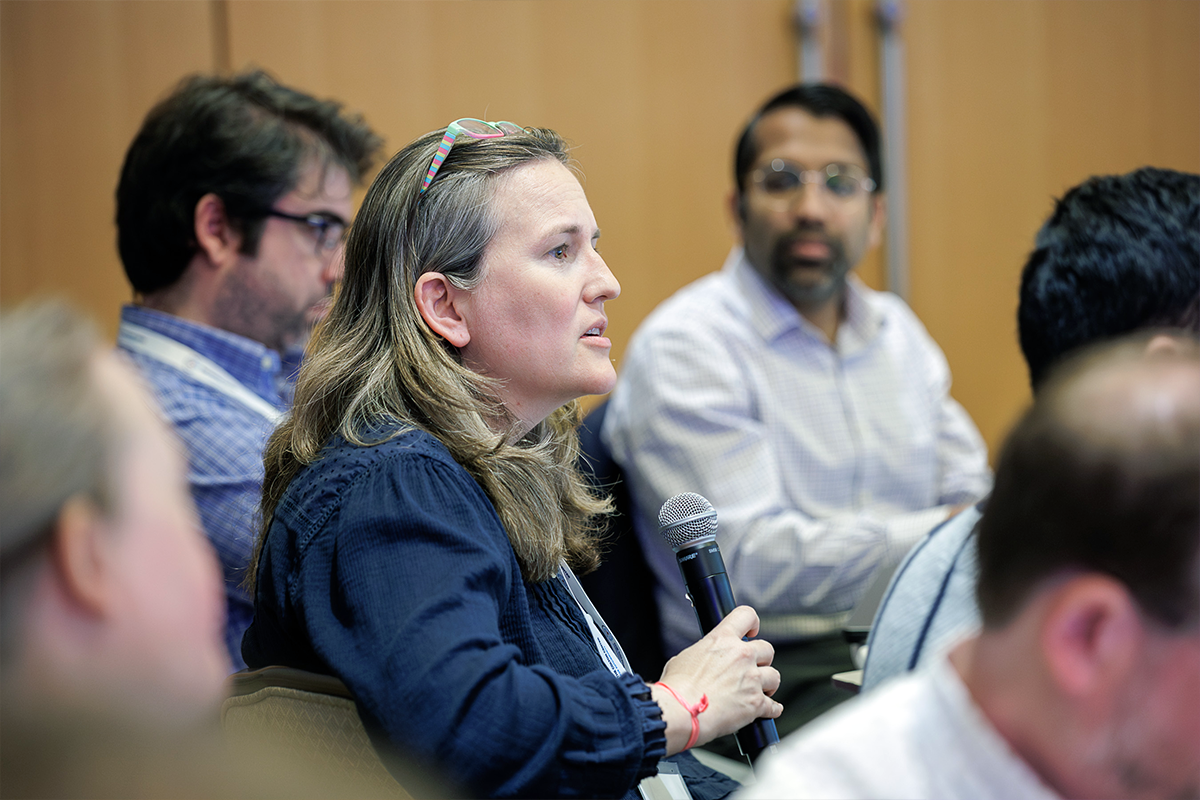
The afternoon featured updates from the Center’s three Centers of Excellence, the primary engines for translating discovery into therapeutic impact.
The Center of Excellence for Cell Therapy in Autoimmunity (CECTA) is co-directed by David Porter, MD, Jodi Fisher Horowitz Professor of Leukemia Care Excellence and Director of the Center for Cell Therapy and Transplant, and James Riley, PhD, Professor of Microbiology. Together they reported significant growth in the center's clinical trial portfolio, now covering lupus, myasthenia gravis, multiple sclerosis, pemphigus, and more, with additional studies launching this year through CARTIMMUNE-WORLD. Real-world data from more than 600 CAR T cell therapy patients, including dozens with co-occurring autoimmune disease, demonstrated safety and efficacy in this complex population and suggested the treatment may help control autoimmune symptoms as well. The Riley lab also previewed a new approach: engineering immune cells to target only the cells driving autoimmune attack, leaving the broader immune system intact.
CREATE, the Colton Center for RNA Exploration in Autoimmune Therapeutics, is developing in vivo mRNA-based lipid nanoparticle (LNP) therapies for autoimmune disease. Co-directors Peter A. Merkel, MD, MPH, Professor of Medicine (Rheumatology), and Drew Weissman, MD, PhD, Roberts Family Professor in Vaccine Research, joined Michael Betts, PhD, Professor of Microbiology, and Jilian Melamed, PhD, Research Assistant Professor of Medicine (Infectious Diseases), to present an update on the center's work. Dr. Merkel outlined the case for the in vivo RNA approach: it accommodates multiple mechanisms of action, is highly customizable to specific cell types and tissues, requires no lymphodepletion, and is substantially more cost-effective than ex vivo cell therapy, all making it potentially applicable across a wide range of conditions. Early experimental findings suggest that each platform can deliver therapies to specific immune cell subsets with high precision, and the team is actively working to advance at least one of these approaches toward clinical trials.
Sara Cherry, PhD, the John W. Eckman Professor of Pathology and Laboratory Medicine and Co-Director of the High-Throughput Center for Autoimmune Therapeutic Discovery (HIT-AI), presented on behalf of a center built around a compelling premise: many autoimmune diseases share common signaling pathways, and existing drugs may already hold untapped therapeutic potential. Working with David Fagenbaum, MD, PhD, and Jonathan Miner, MD, PhD, the team integrates AI-driven knowledge graphs to predict repurposing candidates, high-throughput wet-lab screening to test them, and animal models to validate the most promising hits. Cherry shared early results from screens using cell models tied to TREX1 and STING pathway mutations—the same disease biology Miner had described earlier—identifying small molecules that selectively target disease-associated signaling. With the computational-to-bench pipeline now operational, the team's next steps include expanding drug sensitivity datasets and testing candidate combinations in animal models.
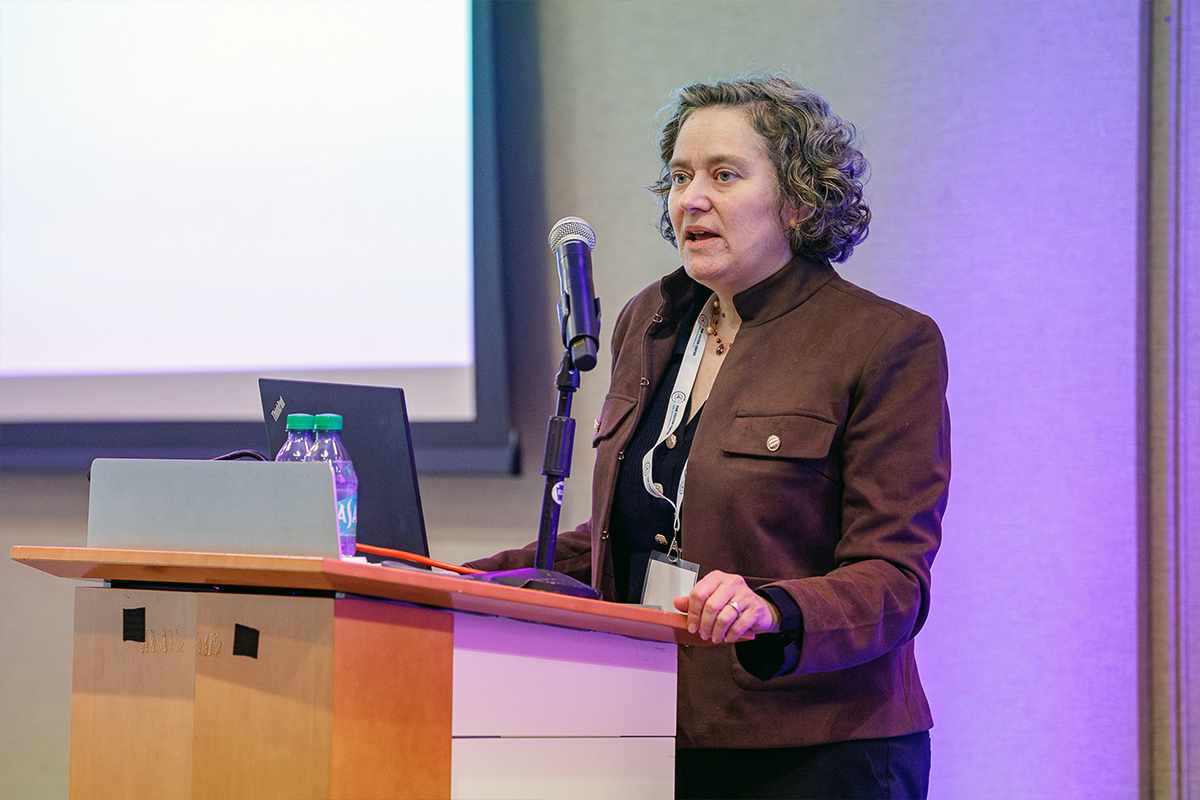
A recurring theme throughout the day was the growing importance of data infrastructure—and Joost Wagenaar, PhD, Assistant Professor of Informatics, made that case directly. He argued that archiving and making data available is not enough. The real challenge—and opportunity—is building systems that allow scientists, clinicians, and patients to use data in ways that meaningfully accelerate discovery and improve care.
Wagenaar leads the development of Pennsieve, a data management and analysis platform that originated at Penn over a decade ago and has since become the backbone for some of the country’s largest biomedical research programs. The platform currently powers data workflows for major NIH initiatives, including the SPARC program—which has produced over 400 high-impact datasets from more than 80 investigator groups—and the HEAL program focused on pain and addiction research. At Penn, Pennsieve is already embedded in the immune health workflows at the Institute for Immunology and Immune Health (I3H), supporting everything from data collection at patient encounters to the automated generation of immune profile reports, running—securely and at scale.
What sets Pennsieve apart, Wagenaar explained, is that it’s designed specifically for the realities of academic research: users are scientists rather than software engineers, funding is grant-based and finite, data is messy and heterogeneous, and the stakes around security and compliance are high. The platform abstracts away the technical complexity—cloud infrastructure, security protocols, analysis pipelines—so researchers can focus on their science. It also offers transparency around costs, which Wagenaar identified as a persistent barrier to broader adoption of cloud-based tools in academic settings.
Looking ahead, he sees Pennsieve as essential infrastructure for the Colton Center’s most ambitious goals. Initiatives like CIPI—which aims to generate detailed immune profiles from thousands of autoimmune patients—will require exactly the kind of scalable, secure, interoperable data ecosystem that Pennsieve is being built to provide. He closed with a challenge to the room: “What if you had all the data at your fingertips, and all you had to do was ask the right questions?”
Golnaz Vahedi, PhD, Professor of Genetics and Deputy Director of Innovation and Technology at I3H, delivered the day’s Scientific Keynote, presenting findings that reframe how researchers think about the immune cell changes underlying type 1 diabetes—a disease in which the immune system mistakenly destroys insulin-producing cells in the pancreas.
Her lab’s most recent published work, which appeared in Science Immunology (2025), profiled immune cells drawn directly from the lymph nodes surrounding the pancreas in both T1D patients and healthy donors. By simultaneously measuring gene activity and the physical accessibility of DNA across more than a million cells, the team pinpointed which immune cell types show the greatest disruption in diabetes—pointing toward new targets for intervention.
Vahedi then shared newer, unpublished work with a striking finding: the DNA structure of certain immune cells in T1D patients shows signs of “erosion”—a loss of normal organization which has been reported by researchers in other contexts, including aging and Alzheimer’s disease. In T1D, these changes appear in naïve T cells, which are ordinarily in a resting state, causing them to resemble activated memory cells. The implication is that something in the autoimmune environment is altering the fundamental identity of these cells—possibly before any clinical symptoms appear. A third strand of her work uses AI to identify which cell types are the earliest and strongest predictors of diabetes risk, a step toward an early warning system that could one day enable intervention before the disease takes hold.
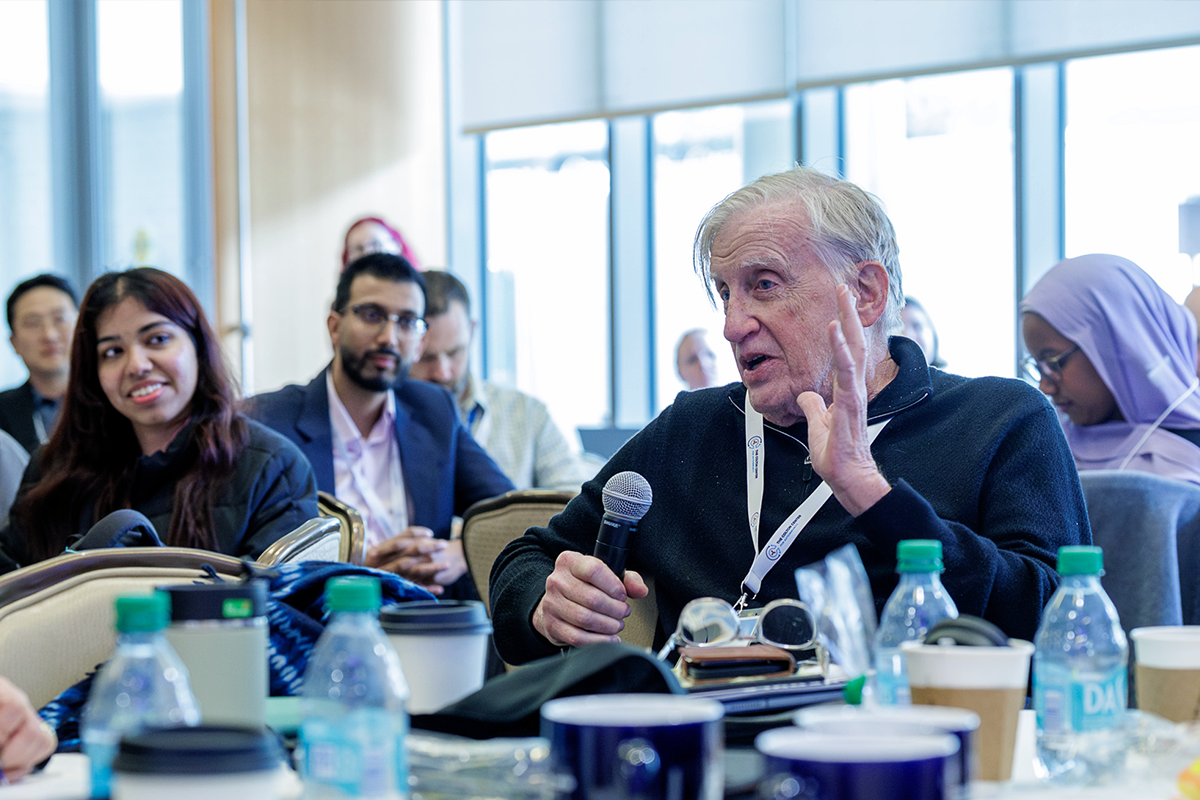
Wherry closed the formal program with warm remarks, thanking the speakers, the organizing team, and the Coltons for their presence and continued support. "Thank you three for being here, and for all the support and trust in us to try to do great things and change autoimmunity," he told the room—before inviting Stewart Colton, a Wharton alumnus, to share a few words.
Stewart's response was characteristically gracious. "You've all been thanking us today. I would like to thank you all," he began. He then reflected on the arc of his own connection to Penn—from graduating from Wharton 65 years ago to sitting in a room full of scientists working to transform autoimmune disease. "If anybody would have told me I'd have been sitting here, 65 years ago, or 15 years ago, I would have told them they didn't know what they were talking about. But this is extraordinary, and we all appreciate it."
The formal program gave way to a reception and poster exhibition showcasing research from Penn graduate students, postdocs, and trainees—a fitting close that reflected the Center's commitment to early-career investigators and gave attendees space to continue conversations and connections sparked throughout the day.
.svg)
The Colton Consortium for Autoimmunity has received a $15 million, three-year investment from the Colton Foundation to advance collaborative autoimmune disease research across its partner institutions.
Penn's 2026 Colton Center Autoimmunity Symposium brought together 130 researchers to showcase advances in CAR T cell therapy, AI-driven diagnostics, RNA therapeutics, and novel drug targets across lupus, MS, and type 1 diabetes.
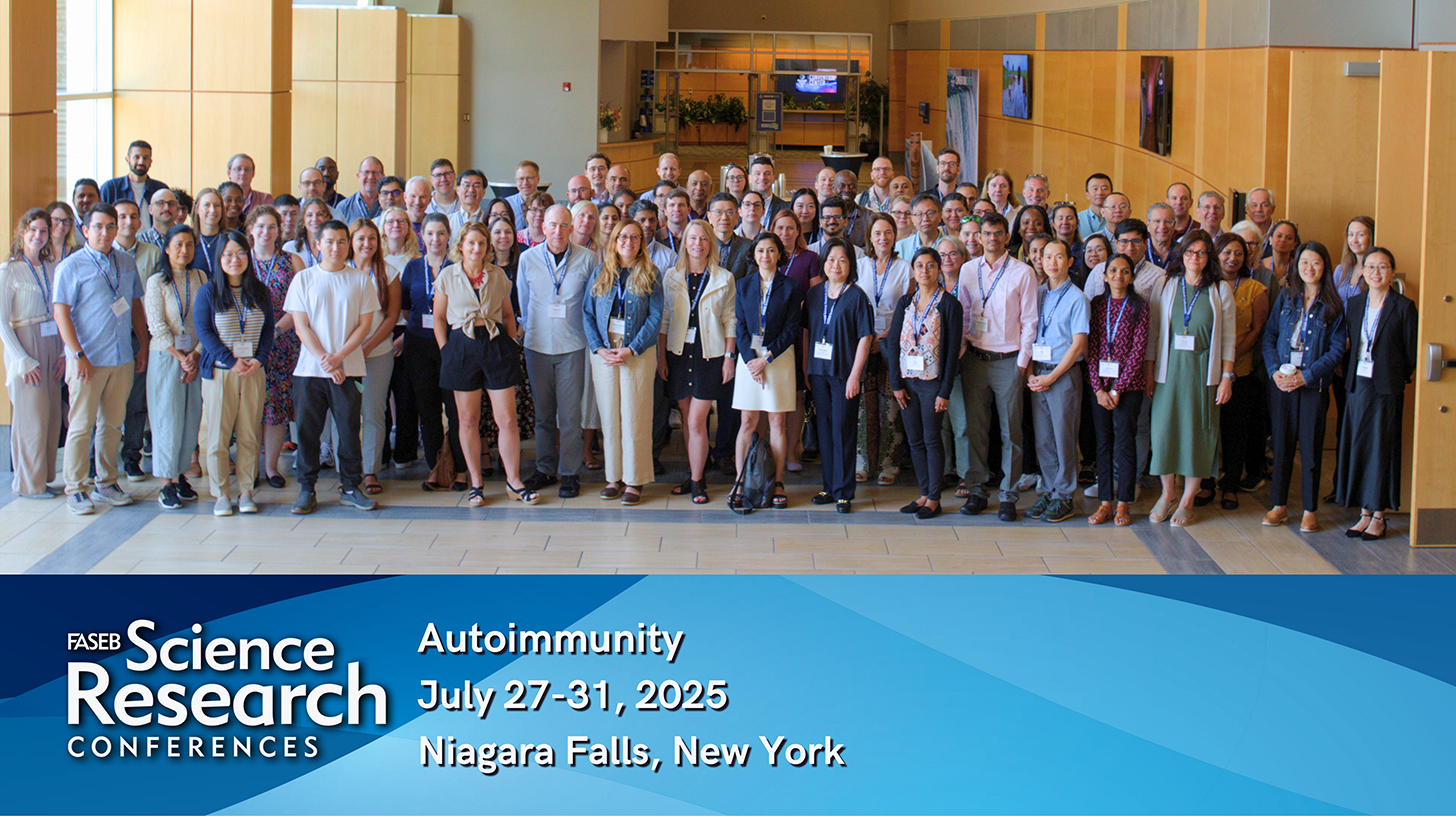
The Colton Consortium proudly sponsored the 2025 FASEB Autoimmunity Conference in Niagara Falls, a leading international forum advancing autoimmune research and fostering collaboration among scientists and clinicians.