

Featured Experts

Sara Baier, MEd
Associate Director of External Relations, Colton Consortium for Autoimmunity
Colton Center for Autoimmunity, Perelman School of Medicine, University of Pennsylvania
Jennifer Gillen, MBA
Administrative Manager, Judith & Stewart Colton Center for Autoimmunity (NYU)
Department of Medicine, NYU Grossman School of Medicine / NYU Langone Health, New York University
Kenneth Hassinger
Director of Finance, Colton Consortium for Autoimmunity
Colton Center for Autoimmunity, Perelman School of Medicine, University of PennsylvaniaFeatured Projects

The Role and Mechanism of Aberrant Dendritic Cell Function in Autoimmunity
Identifying a novel molecular regulator of tolerogenic dendritic cell function, this project uncovers how its loss triggers spontaneous multiorgan autoimmunity and exacerbates lupus — revealing a clinically relevant pathway in immune tolerance.

Utilizing RNA Replicons as Immune Modulators for Systemic Lupus Erythematosus
A self-replicating RNA platform delivers anti-inflammatory cytokines directly to the airways, offering targeted local immune suppression without systemic toxicity — a mechanistically distinct approach to treating lupus lung disease.
Related News

A Growing Network Takes Stock: Highlights from the 2026 Colton Consortium Symposium
Global leaders in autoimmune research gathered for the 2025 Colton Consortium Symposium last month, sharing breakthroughs from foundational science to translational therapies and forging collaborations to improve patient lives worldwide.

$5M Gift Establishes Colton Center for Autoimmunity at Mount Sinai to Advance Precision Medicine for Autoimmune Diseases
A $5 million gift from Judith and Stewart Colton establishes a Colton Center for Autoimmunity at Mount Sinai, expanding the Colton Consortium and advancing precision, early-detection approaches to autoimmune disease research.
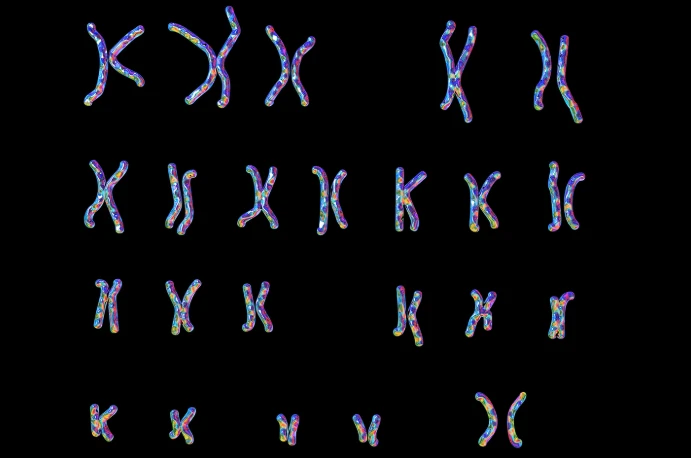
What a "Silenced" Chromosome Can Tell Us About Autoimmunity
Penn Colton Center researcher Montserrat Anguera reveals how B cells maintain X chromosome inactivation, and how its breakdown drives lupus, offering new insight into female-biased autoimmune disease and treatment targets.