Research Findings
July 1, 2025

NYU Langone Study Identifies Precision Approach to Dialing Down Harmful T Cell Activity in Autoimmune Disease

A study published in Cell by researchers at NYU Langone Health, the Chinese Academy of Sciences, and Zhejiang University has identified a precision approach to treating autoimmune diseases — one that selectively silences harmful immune activity rather than broadly suppressing the immune system.

The research centers on a newly engineered bispecific antibody called BiTS — short for LAG-3/TCR Bispecific T cell Silencer. By simultaneously engaging the T cell receptor and LAG-3, an inhibitory protein found on T cells, BiTS is designed to locally “dial down” the overactive immune responses that drive autoimmune damage, without compromising the body’s broader defenses.

Tested across three mouse models, BiTS demonstrated meaningful results in each: reducing insulitis in a model of type 1 diabetes, limiting inflammatory liver damage in a hepatitis model, and alleviating multiple sclerosis”like symptoms. As the first therapeutic approach to exploit the precise spatial proximity between T cell receptors and LAG-3, the work opens a potential new class of treatments for a wide range of autoimmune conditions.

The study was supported in part by a translational advancement award from the Judith and Stewart Colton Center for Autoimmunity at NYU Langone — funding that directly enabled the development of the BiTS antibody and reflects the center’s focus on moving innovative immune therapies closer to clinical application.

Yale researchers have developed a machine learning model called ImmunoStruct that could significantly improve the design of personalized cancer vaccines — and the work was supported in part by the Colton Center for Autoimmunity at Yale. The study was published in Nature Machine Intelligence in February 2026.

The tool addresses a key limitation in existing vaccine design models: most treat peptides — the short protein fragments that the immune system recognizes as foreign — as flat, one-dimensional sequences of amino acids. ImmunoStruct instead incorporates three-dimensional structural and biochemical properties of peptides, giving the model a richer, more complete picture of how the immune system is likely to respond.

Epitope-based vaccines, which contain specific peptides designed to trigger targeted immune responses, are an emerging area of cancer immunotherapy showing promise for melanomas, breast cancers, and glioblastomas. By more accurately predicting which peptides will provoke the strongest immune response, ImmunoStruct could help researchers design vaccines tailored to a patient’s unique tumor profile — a potentially less toxic alternative to broad-spectrum therapies like chemotherapy.

The research was led by Professor Smita Krishnaswamy and Professor Akiko Iwasaki of Yale School of Medicine, with co-first authors Kevin B. Givechian and Chen Liu. The team has already licensed ImmunoStruct to Latent-Alpha, a Yale spinout company, and made the model available open source via GitHub.

The study is also notable as a direct output of the 2025 Colton Center at Yale grant cycle, in which ImmunoStruct was among the funded projects.

Research FindingsAnimal ModelsBiological & MechanisticExperimental Platforms & ModelsT Cell BiologyTherapeutic DevelopmentTranslational & ClinicalAutoimmune HepatitisEndocrine DiseasesGastrointestinal DiseasesMultiple SclerosisNeurologic DiseasesType 1 DiabetesNew York University

Featured Experts

Katsuo Kurabayashi, PhD

Katsuo Kurabayashi, PhD

Colton Consortium Member

Department Chair, Mechanical and Aerospace Engineering, NYU Tandon School of Engineering

Carla R. Nowosad, PhD

Carla R. Nowosad, PhD

Colton Consortium Member

Assistant Professor, Department of Pathology, NYU Grossman School of Medicine / NYU Langone Health

Jun Wang, PhD

Jun Wang, PhD

Colton Consortium Member

Associate Professor, Department of Pathology, NYU Grossman School of Medicine / NYU Langone Health

Featured Publications

The subfornical organ is a nucleus for gut-derived T cells that regulate behaviour

Nature
Yoshida, TM; Nguyen, M; Zhang, L; Lu, BY; Zhu, B; Murray, KN; Mineur, YS; Zhang, C; Xu, D; Lin, E; Luchsinger, J; Bhatta, S; Waizman, DA; Coden, ME; Ma, Y; Israni-Winger, K; Russo, A; Wang, H; Song, W; Al Souz, J; Zhao, H; Craft, JE; Picciotto, MR; Grutzendler, J; Distasio, M; Palm, NW; Hafler, DA; Wang, A May 2025
Adaptive ImmunityAnimal ModelsBioinformaticsBiological & MechanisticData-Driven & QuantitativeExperimental Platforms & ModelsHuman CohortsMicrobiome–Immune InteractionsNeuro-Immune InteractionsSingle Cell TechnologiesT Cell BiologyOtherYale University

Tolebrutinib in nonrelapsing secondary progressive multiple sclerosis

The New England Journal of Medicine
Fox, RJ; Bar-Or, A; Traboulsee, A; Oreja-Guevara, C; Giovannoni, G; Vermersch, P; Syed, S; Li, Y; Vargas, WS; Turner, TJ; Wallstroem, E; Reich, DS; HERCULES Trial Group April 2025
B Cell BiologyBiological & MechanisticClinical TrialsInnate ImmunityTherapeutic DevelopmentTranslational & ClinicalMultiple SclerosisNeurologic DiseasesUniversity of Pennsylvania
From the Consortium

Related News

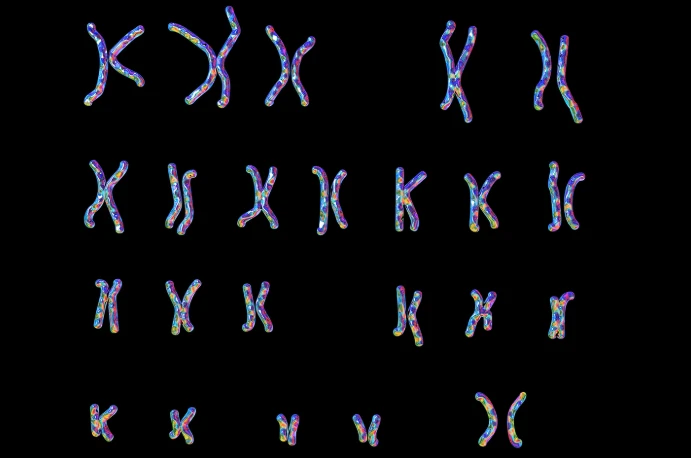
What a "Silenced" Chromosome Can Tell Us About Autoimmunity
In the Media Research Findings
June 25, 2026

What a "Silenced" Chromosome Can Tell Us About Autoimmunity

Penn Colton Center researcher Montserrat Anguera reveals how B cells maintain X chromosome inactivation, and how its breakdown drives lupus, offering new insight into female-biased autoimmune disease and treatment targets.

Yale News Spotlights the Colton Center as a Key Driver of Autoimmune Innovation at Yale Ventures
In the Media
March 5, 2026

Yale News Spotlights the Colton Center as a Key Driver of Autoimmune Innovation at Yale Ventures

A Yale News feature on Yale Ventures' five accelerator funds highlights the Colton Center for Autoimmunity's growing role in translating autoimmune research into startups, licenses, and real-world therapies.

Yale Researchers Use Machine Learning Tool to Improve Personalized Immunotherapy Design
Research Findings
February 25, 2026

Yale Researchers Use Machine Learning Tool to Improve Personalized Immunotherapy Design

A Colton-supported Yale study has produced ImmunoStruct, a machine learning model that improves personalized cancer vaccine design by incorporating the 3D structure of immune-activating peptides — now licensed to a Yale spinout.