

Featured Experts
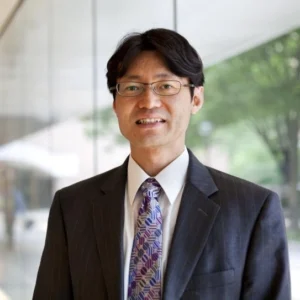
Katsuo Kurabayashi, PhD
Colton Consortium Member
Department Chair, Mechanical and Aerospace Engineering, NYU Tandon School of Engineering
Carla R. Nowosad, PhD
Colton Consortium Member
Assistant Professor, Department of Pathology, NYU Grossman School of Medicine / NYU Langone Health
Jun Wang, PhD
Colton Consortium Member
Associate Professor, Department of Pathology, NYU Grossman School of Medicine / NYU Langone HealthFeatured Projects

Novel Tools to Track and Manipulate Immune Cells in Autoimmunity Models
Developing a cell-labeling tool to map immune cell interactions in living tissue, this project identifies the drivers of skin-resident T cell persistence in psoriasis and potential targets for disease prevention.

Early Detection and Diagnosis of Autoimmune Diseases Using Foundation AI Models
Applying self-supervised AI to multi-modal electronic health records — integrating clinical notes, labs, and imaging — this project builds scalable diagnostic models to detect autoimmune diseases earlier and more precisely.
Related News

A Growing Network Takes Stock: Highlights from the 2026 Colton Consortium Symposium
Global leaders in autoimmune research gathered for the 2025 Colton Consortium Symposium last month, sharing breakthroughs from foundational science to translational therapies and forging collaborations to improve patient lives worldwide.

$5M Gift Establishes Colton Center for Autoimmunity at Mount Sinai to Advance Precision Medicine for Autoimmune Diseases
A $5 million gift from Judith and Stewart Colton establishes a Colton Center for Autoimmunity at Mount Sinai, expanding the Colton Consortium and advancing precision, early-detection approaches to autoimmune disease research.
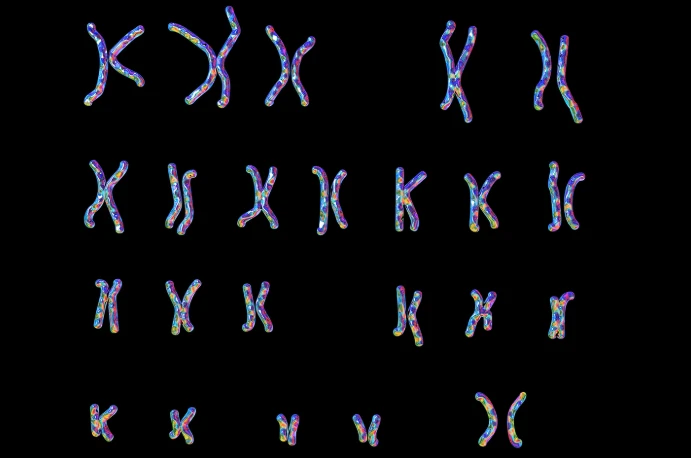
What a "Silenced" Chromosome Can Tell Us About Autoimmunity
Penn Colton Center researcher Montserrat Anguera reveals how B cells maintain X chromosome inactivation, and how its breakdown drives lupus, offering new insight into female-biased autoimmune disease and treatment targets.