


Research
The Colton Consortium's research portfolio spans fundamental mechanisms, computational approaches, and clinical translation. Explore our work across projects, Centers of Excellence, and collaborative networks that accelerate progress in autoimmune science.

Research organized around shared mechanisms
The Colton Consortium organizes research around four interconnected pillars that address the fundamental questions in autoimmune science. This evolving framework directs investigator effort, infrastructure, and funding toward uncovering the shared mechanisms that cut across multiple conditions—a strategy that yields insights no single disease-focused investigation could achieve.

Discoveries at scale and depth
The Consortium's research strategy is enacted through collaborative research projects and dedicated Centers of Excellence (COEs). Projects unite investigators around specific scientific questions; COEs provide sustained cross-disciplinary programmatic leadership and resources. Together, they advance autoimmune science from discovery through translation.
Breakthrough science from integrated collaboration
Colton Consortium researchers across member institutions are uncovering the shared biological mechanisms underlying autoimmune disease—findings that advance both mechanistic understanding and pathways toward new therapeutics.
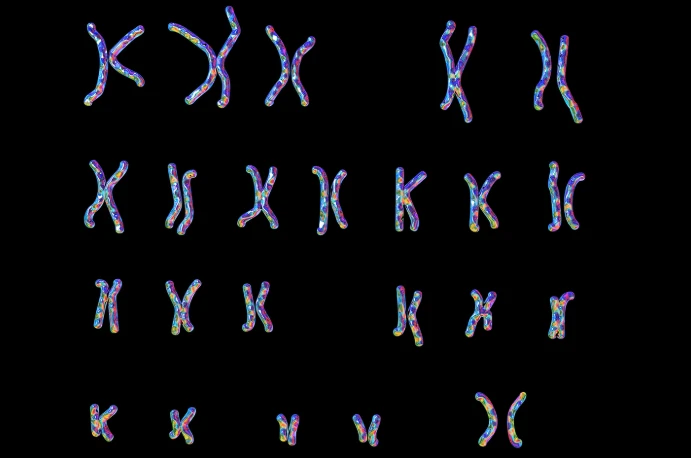
What a "Silenced" Chromosome Can Tell Us About Autoimmunity
Penn Colton Center researcher Montserrat Anguera reveals how B cells maintain X chromosome inactivation, and how its breakdown drives lupus, offering new insight into female-biased autoimmune disease and treatment targets.

Yale Researchers Use Machine Learning Tool to Improve Personalized Immunotherapy Design
A Colton-supported Yale study has produced ImmunoStruct, a machine learning model that improves personalized cancer vaccine design by incorporating the 3D structure of immune-activating peptides — now licensed to a Yale spinout.
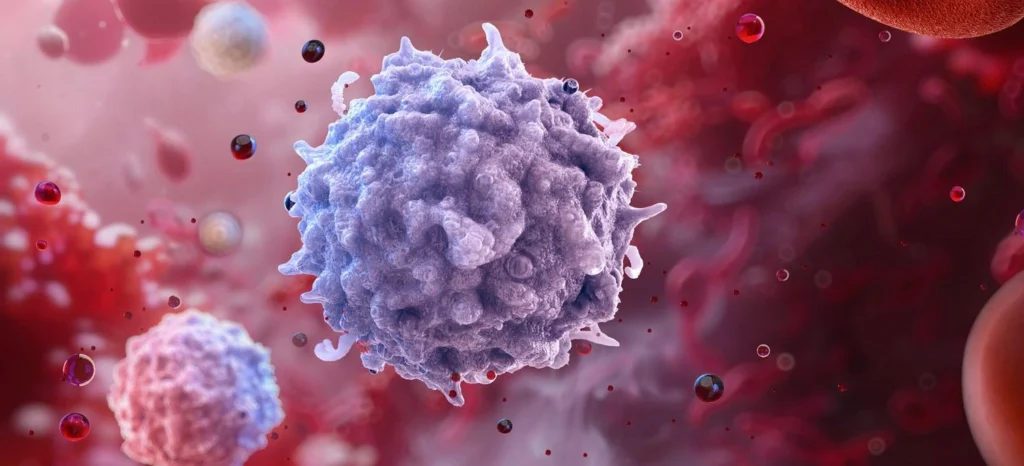
NYU Langone Study Identifies Precision Approach to Dialing Down Harmful T Cell Activity in Autoimmune Disease
A Colton-supported NYU Langone study has engineered a bispecific antibody that precisely silences harmful T cell activity — showing promise across mouse models of type 1 diabetes, hepatitis, and multiple sclerosis.
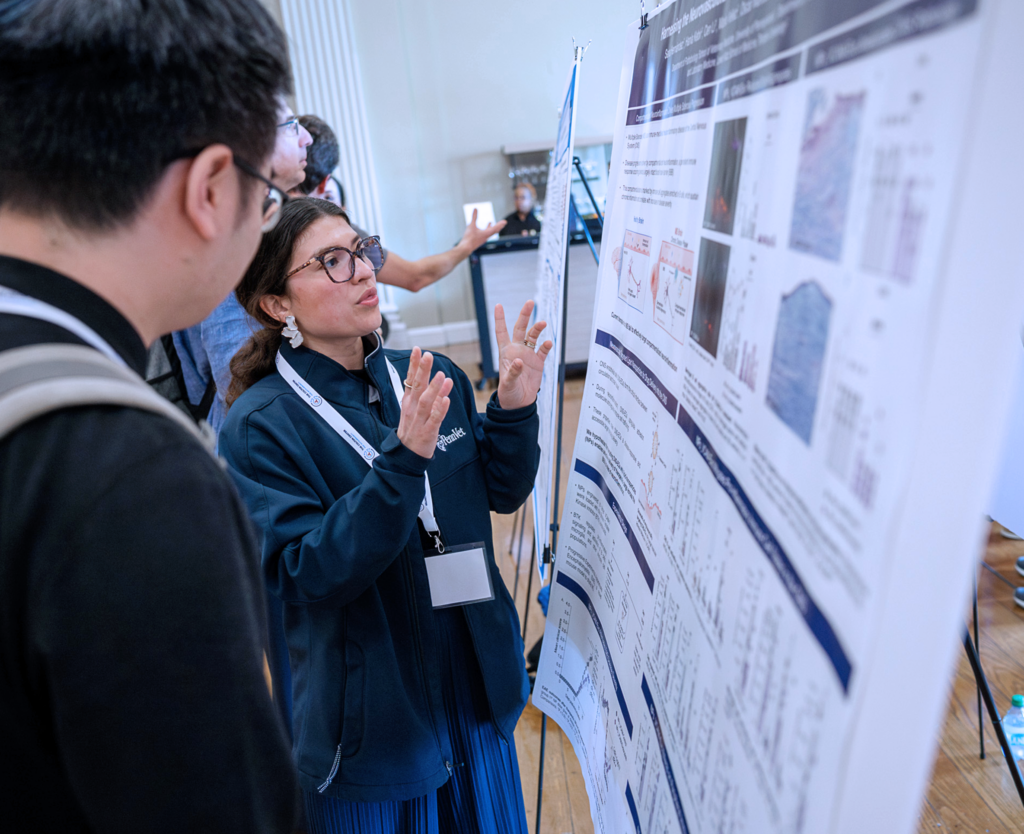
Publications from our research community
The scientific impact of the Colton Consortium is reflected in peer-reviewed research produced by our investigators and supported by our projects. Browse our publications library to see the breadth of discoveries advancing autoimmune science across member institutions
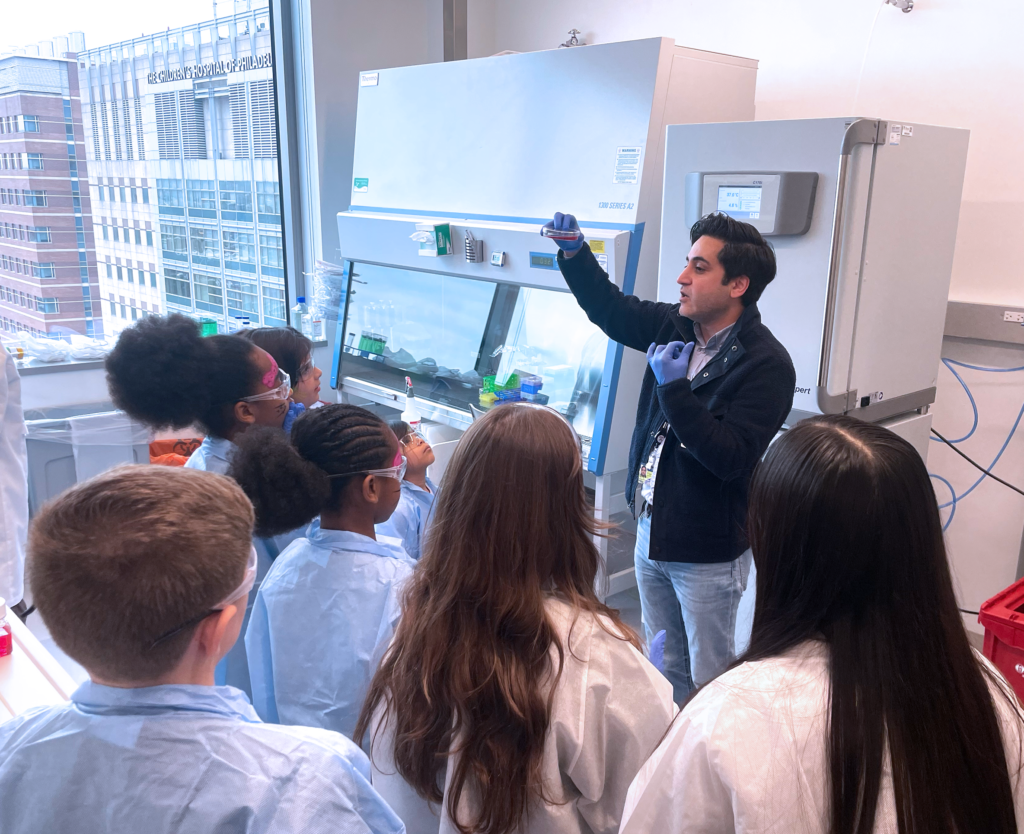
Dedicated to science without silos
Discovery advances fastest when researchers, clinicians, institutions, and industry partners work together. The Colton Consortium builds partnerships that break down traditional boundaries—connecting academic centers with biotech and pharmaceutical partners, linking mechanistic research with clinical translation, and engaging patient communities in shaping research priorities.