

Project Overview

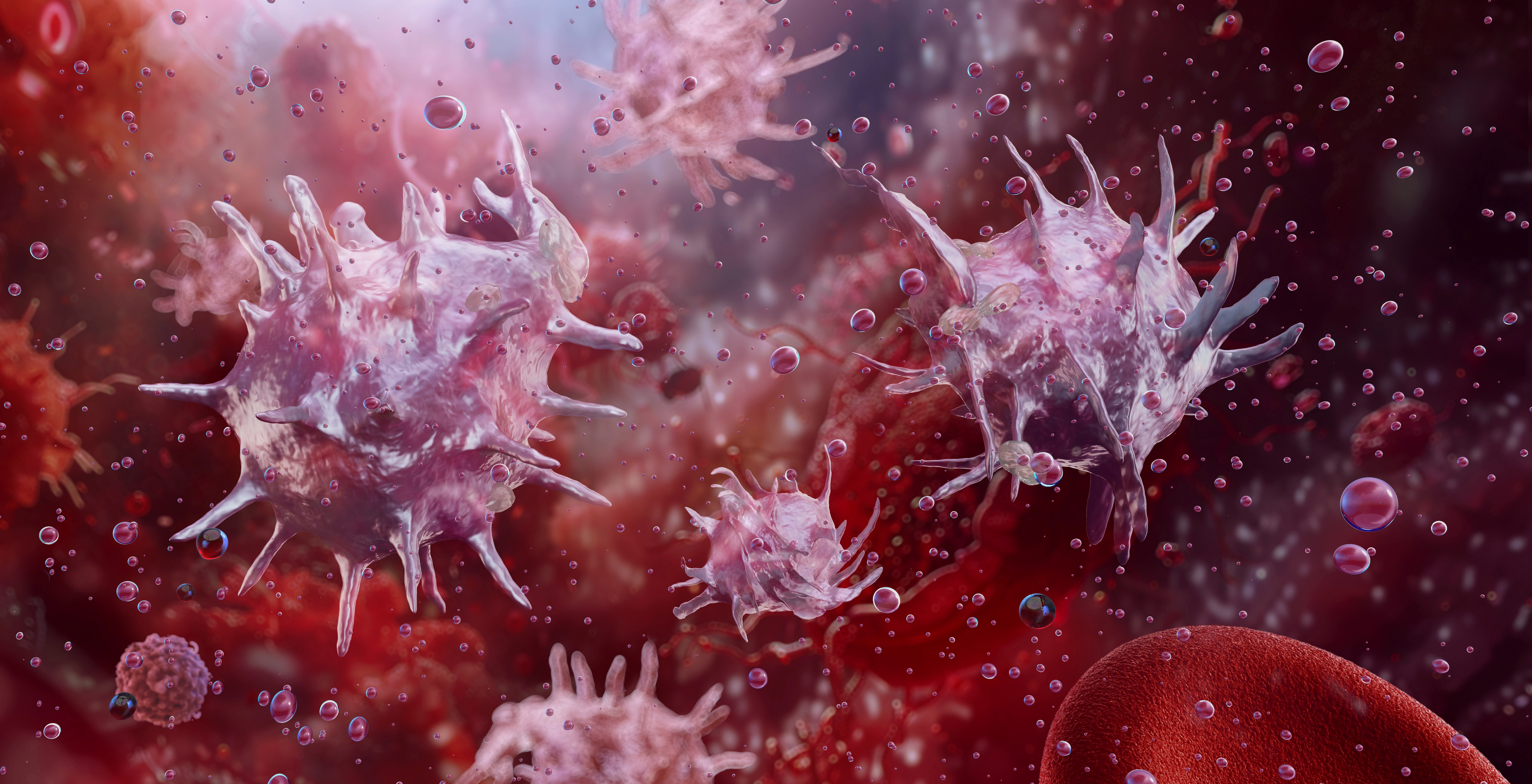
The body repairs blood vessels after injury through thromboangioplasticity — a two-phase process in which endothelial lamellipodia stabilize clots, followed by gradual extrusion and vessel recanalization. In autoimmune antiphospholipid syndrome (APS), antibodies targeting Annexin V disrupt this process, leading to persistent clots, vascular occlusion, and increased risk of stroke, heart attack, and pregnancy loss. Using advanced live imaging, this project identified key proteins supporting thromboangioplasticity and is now developing recombinant proteins and fusion constructs designed to counteract anti-annexin V dysfunction — with the goal of creating a novel therapeutic for APS and other clot-related autoimmune disorders.

Impact & Innovation

A new therapeutic target in vascular autoimmune disease.


By discovering thromboangioplasticity and identifying anti-annexin V antibodies as its key disruptors in APS, this project opens an entirely new avenue for treating a disease where thrombosis and miscarriage remain major unmet needs.

  • Discovers thromboangioplasticity as a novel biological mechanism linking clot stabilization, resolution, and vessel repair — with direct relevance to APS and other thrombotic autoimmune conditions
  • Generates strong IP potential through recombinant proteins and fusion constructs designed to restore thromboangioplasticity, with patent protection in development
  • Advances the Consortium’s From Mechanistic Insight to Translation pillar by moving a newly discovered vascular mechanism directly into preclinical therapeutic development for antiphospholipid syndrome
Research Approach

A framework designed for discovery

This project combines advanced live imaging, molecular biology, and protein engineering to characterize thromboangioplasticity, identify its disruption by anti-annexin V antibodies in APS, and develop recombinant therapeutics to restore normal vascular repair function. The work moves from mechanistic discovery through therapeutic construct development and preclinical validation.

Advanced live imaging to identify key proteins supporting thromboangioplasticity in endothelial cells, platelets, and smooth muscle cells; characterization of anti-annexin V antibody-mediated dysfunction in thromboangioplasticity; and development and testing of recombinant proteins and fusion constructs designed to counteract this dysfunction.

Live imaging datasets identifying molecular mediators of thromboangioplasticity, in vitro and in vivo models of anti-annexin V antibody-mediated vascular dysfunction, and recombinant protein and fusion construct characterization data for therapeutic candidate evaluation.

Validation of anti-annexin V antibody inhibition of thromboangioplasticity as a central mechanism in APS-related vascular disease, and development of recombinant therapeutic candidates to restore normal clot stabilization and clearance. Successful candidates will advance to preclinical testing for antiphospholipid syndrome, with strong patent protection anticipated for lead constructs.


Investigators & Institutions

Powering the science

Principal Investigator

Jaime Grutzendler, MD, Colton Consortium Member

Dr. Harry M. Zimmerman and Dr. Nicholas and Viola Spinelli Professor of Neurology and Neuroscience, Department of Neurology (Memory Disorders), Yale School of Medicine, Yale University

Research Outputs

From insight to impact

Publications

The subfornical organ is a nucleus for gut-derived T cells that regulate behaviour

Nature
Yoshida, TM; Nguyen, M; Zhang, L; Lu, BY; Zhu, B; Murray, KN; Mineur, YS; Zhang, C; Xu, D; Lin, E; Luchsinger, J; Bhatta, S; Waizman, DA; Coden, ME; Ma, Y; Israni-Winger, K; Russo, A; Wang, H; Song, W; Al Souz, J; Zhao, H; Craft, JE; Picciotto, MR; Grutzendler, J; Distasio, M; Palm, NW; Hafler, DA; Wang, A May 2025
Adaptive ImmunityAnimal ModelsBioinformaticsBiological & MechanisticData-Driven & QuantitativeExperimental Platforms & ModelsHuman CohortsMicrobiome–Immune InteractionsNeuro-Immune InteractionsSingle Cell TechnologiesT Cell BiologyOtherYale University