


A framework designed for discovery
Overview
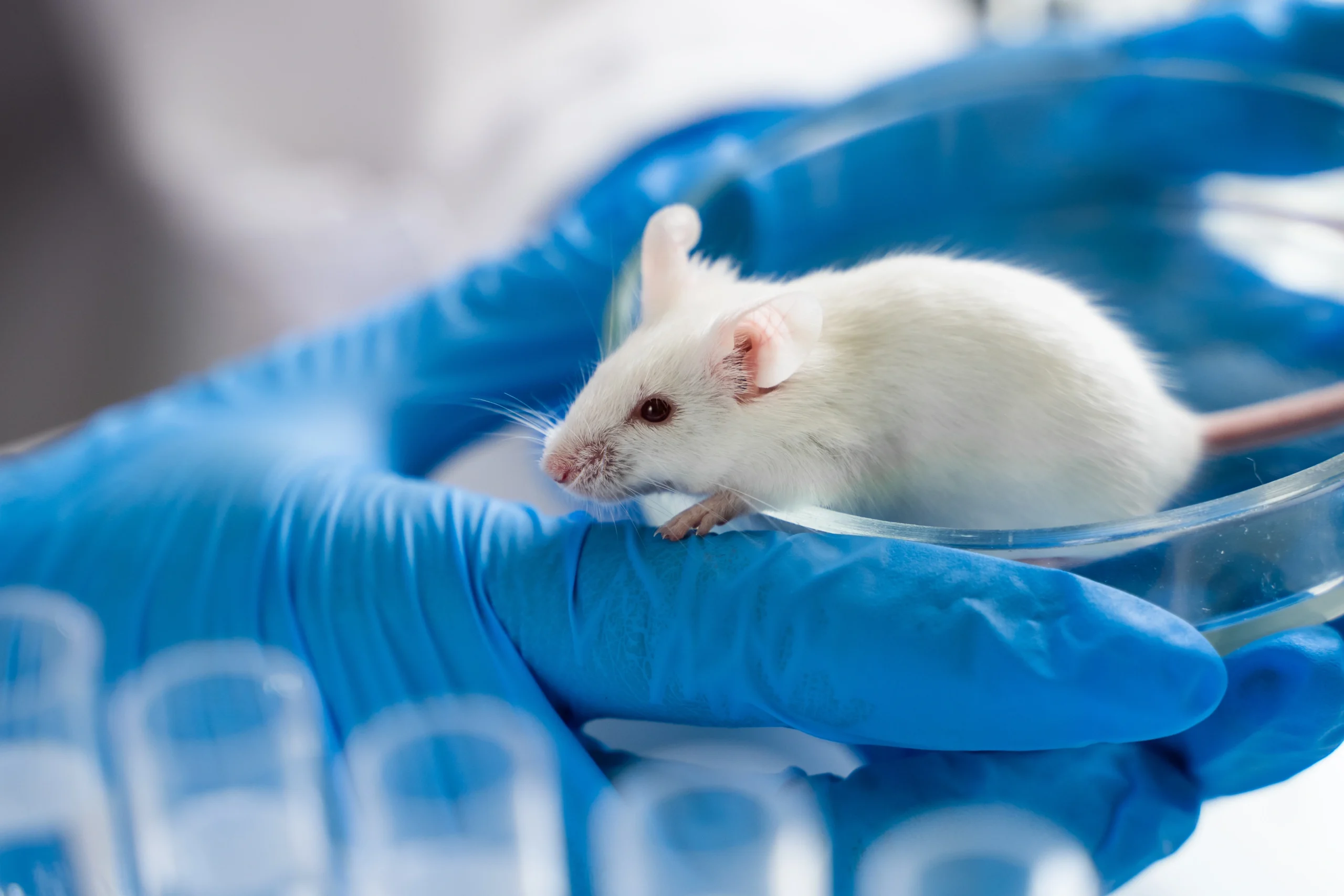
This project combines genetic engineering of humanized mice, patient biopsy-derived molecular insights, and transgenic TCR methodology to develop and validate a MISTRG6-based mouse model that accurately replicates human immune responses in celiac disease. The work integrates model optimization with functional validation through oral challenge studies.
Experimental / Computational Methods
Genetic modification of MISTRG6 mice to incorporate HLA-B, HLA-DQ8, and HLA-E; identification and incorporation of patient biopsy-derived chemokines conducive to cytotoxic T cell recruitment; development of TCR transgenic mice harboring gluten-reactive T cells using known HER2 antigen and patient CD8+ T cell-derived gluten-specific TCRs; optimization of adjuvant protocols for systemic gluten-specific immune responses; and oral challenge studies to assess immune responses and disease progression.
Data Sources / Models Used
Patient biopsy datasets identifying key chemokines and HLA components relevant to CeD pathogenesis, in vitro antigen presentation studies in collaboration with Drs. Jordan Pober and Marie Robert, TCR transgenic T cell characterization data, and oral challenge immune response and disease progression datasets from the optimized MISTRG6-CeD model.
Analytical / Translational Focus
Validation of the humanized MISTRG6-CeD model as an accurate surrogate for human celiac disease, enabling mechanistic studies and pre-clinical evaluation of therapeutics. The model is being commercialized through MrGNewCo to serve pharma, CROs, and research institutions as a premier platform for testing new therapeutic agents and advancing CeD diagnosis.
Powering the science
Richard Flavell, PhD, FRS, Colton Consortium Member
Sterling Professor, Department of Immunobiology, Yale School of Medicine, Yale University
From insight to impact
Additional Outputs
Translational Outputs
Commercial development: MrGNewCo being formed to market the MISTRG6-CeD model to pharma, CROs, and animal purveyors.