

Featured Experts
Katsuo Kurabayashi, PhD
Colton Consortium Member
Department Chair, Mechanical and Aerospace Engineering, NYU Tandon School of Engineering
Carla R. Nowosad, PhD
Colton Consortium Member
Assistant Professor, Department of Pathology, NYU Grossman School of Medicine / NYU Langone Health
Jun Wang, PhD
Colton Consortium Member
Associate Professor, Department of Pathology, NYU Grossman School of Medicine / NYU Langone HealthFeatured Projects

Developing a Multi-parameter Prognostic Prediction Model for Disability Ranks and Progression of Patients with Multiple Sclerosis at the Early Stages of the Disease
Integrating clinical, imaging, and biological data from large real-world MS cohorts, this project builds a machine learning model to predict disability progression early and enable personalized treatment decisions.

Immunotherapy-Related Adverse Effects as Models for Fragile Tolerance in Humans
Using cancer patients experiencing immunotherapy-triggered autoimmunity as a unique human model, this project uncovers the molecular and epigenetic mechanisms by which self-reactive T cells escape immune tolerance.
Related News

A Growing Network Takes Stock: Highlights from the 2026 Colton Consortium Symposium
Global leaders in autoimmune research gathered for the 2025 Colton Consortium Symposium last month, sharing breakthroughs from foundational science to translational therapies and forging collaborations to improve patient lives worldwide.

$5M Gift Establishes Colton Center for Autoimmunity at Mount Sinai to Advance Precision Medicine for Autoimmune Diseases
A $5 million gift from Judith and Stewart Colton establishes a Colton Center for Autoimmunity at Mount Sinai, expanding the Colton Consortium and advancing precision, early-detection approaches to autoimmune disease research.
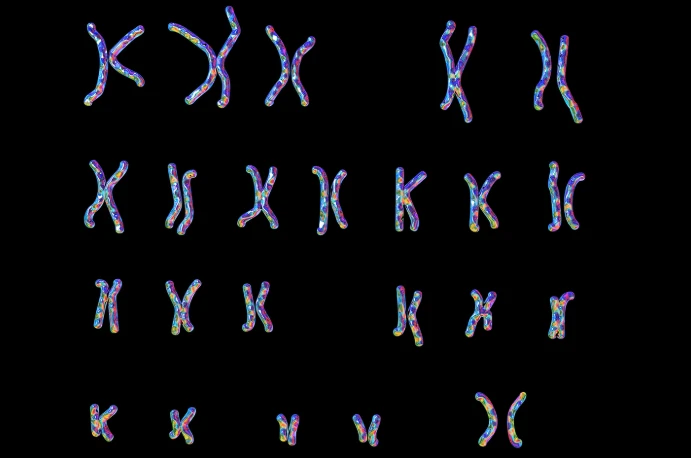
What a "Silenced" Chromosome Can Tell Us About Autoimmunity
Penn Colton Center researcher Montserrat Anguera reveals how B cells maintain X chromosome inactivation, and how its breakdown drives lupus, offering new insight into female-biased autoimmune disease and treatment targets.